
Emergency Attic Insulation Near Me: What Midway City Homeowners Should Do First
A burst pipe soaks your attic insulation on a Friday night. The instinct is to call an insulation company Monday morning, but that’s the third call you should make, not the first. Most attic insulation emergencies in Midway City aren’t insulation failures at all. They’re water intrusion, pest damage, or HVAC breakdowns that wrecked the insulation as a side effect. Fix the insulation before the root cause, and you’ll pay twice. Here’s the sequence that actually saves money and prevents a repeat disaster. If you’d rather skip the detective work, call us at (844) 948-3251 and we’ll walk you through what we’re seeing.
Step One: Identify What Actually Happened in Your Midway City Attic
Before anyone touches insulation, you need to know what caused the damage. In our experience across Midway City attics, four situations account for nearly every “emergency” call we get:
- Water intrusion: Roof leaks, burst supply lines, overflow pans, or condensation from a failed bathroom exhaust vent. Waterlogged fiberglass batts lose nearly all R-value and become a mold host within 48 hours. Wet cellulose compacts and stays damp for weeks.
- Rodent or wildlife infiltration: Rats, mice, squirrels, and raccoons tunnel through insulation, leave droppings, and chew wiring. The insulation isn’t damaged so much as contaminated. It has to go, but the entry points need sealing first.
- Fire or smoke exposure: Even a small electrical fire sends smoke particulate deep into porous insulation. The smell never fades, and charred fiberglass can off-gas. Full removal is standard.
- Sudden HVAC failure: A dead attic AC unit or collapsed duct floods the attic with heat or cold air in the wrong place. This is usually a performance problem, not a contamination problem, and it’s the one case where insulation might survive.
Figure out which category you’re in, and you’ll know who to call first: a plumber, a roofer, a pest control company, an electrician, or an HVAC tech. The insulation crew comes after the source is stopped.
What to Do in the First 24 Hours (Without Making Things Worse)
Your first job is containment and documentation. Not removal. Not poking around. Here’s the order that keeps you safe and your insurance claim intact:
- Stop the source if you safely can. Shut off the main water valve for a burst pipe. Throw a tarp over an obvious roof leak. Kill power to a smoking circuit at the breaker panel. Don’t climb onto a wet roof in the dark. Don’t touch soaked insulation in contact with wiring.
- Seal the attic access. Close the hatch and tape the seams with painter’s tape or plastic sheeting. This does two things: it keeps contaminated air from circulating through your Midway City living space, and it prevents kids or pets from wandering up there.
- Run a dehumidifier in the hallway or room below the attic access. This won’t dry the attic, but it reduces the moisture load trying to push down through your ceiling. Open the attic access only if you have a fan blowing upward and a window or vent allowing air to escape. Otherwise, keep it shut.
- Document everything before anyone disturbs the scene. Take photos of the wet area, the wet insulation depth, any standing water, any droppings, any charred material. Measure the approximate square footage of affected insulation. Note what type of insulation you have (pink fiberglass batts, gray blown-in, white spray foam). Your adjuster needs photos taken before cleanup, not after.
One thing we tell homeowners repeatedly: don’t start pulling out soaked insulation yourself. Wet fiberglass is heavy and tears through drywall if dropped. Wet cellulose is dense and will overwhelm a standard garbage bag. And you don’t yet know if the water is clean (supply line) or contaminated (sewage, swamp cooler, roof runoff through decades of rat activity). If it’s the latter, you need containment and possibly environmental remediation, not a shop vac.
How Midway City Homeowners Should Document Damage for Insurance
Insurance adjusters are not impressed by a photo of one sad-looking batt. They need scale and context. Here’s what actually moves a claim forward:
- Wide shots: Stand at the attic access and photograph the whole affected area. Then move closer for detail shots. The sequence tells the story.
- Something for scale: A tape measure laid across the wet area, a yardstick standing in the soaked insulation, or even a pencil next to droppings. Adjusters need to see inches, not guess.
- Area measurements: Use the tape measure and write down approximate length and width of the damaged zone. Attic insulation is priced per square foot, and you’ll need this number for any quote comparison.
- Labels: Note the date, the likely cause, and any steps you took to stop it. Screenshot your phone call log if you called an emergency plumber or roofer. That timestamp proves the sequence of events.
- Don’t dispose of anything until the adjuster has seen it or told you in writing that removal is approved. This one trips up homeowners constantly. You throw out two bags of soaked insulation to “clean up,” then the adjuster denies the claim because there’s no physical evidence. Bag it, seal it, leave it in the garage or on the curb under a tarp. Let the adjuster sign off first.
If you’re not sure whether your policy covers attic insulation damage, the answer is usually yes when the cause is a covered peril (sudden pipe burst, fire, wind-driven rain). It’s usually no when the cause is gradual (a slow roof leak over three winters, condensation from an improperly vented bathroom fan that’s been dripping for a year). Document the suddenness. Your photos of a dramatic failure beat a photo of a moldy patch that looks ancient.
When Damaged Insulation Is Dangerous vs. Just Degraded
Here’s the distinction most Midway City homeowners miss: there’s a difference between a health or structural risk and a performance risk. And that difference decides whether this is a same-day emergency or a schedule-it-when-you-can job.
Immediate health or structural risk: rodent droppings throughout the insulation, visible mold growth, sewage-tainted water, charred insulation from an electrical event, or fiberglass exposed to air when it should be sealed. These need rapid professional handling. Rodent droppings carry hantavirus in some California regions and become airborne when disturbed. Mold spores follow the same pattern. You don’t remove these materials without an N95 respirator, gloves, and containment.
Performance risk only: insulation that’s simply old, compressed, unevenly distributed, or under the recommended R-value for Southern California attics (R-38 to R-49 is the typical recommendation for our climate zone). This is a comfort and energy-bill problem, not a health emergency. It can wait weeks or even months while you get three quotes and compare materials.
We pulled eighteen inches of compacted, urine-soaked fiberglass out of an attic on the east side of Midway City last month. The homeowner had been living with a mild smell for years and only called because the utility bill topped $600 in August. That job required full PPE, sealing off the bedroom hallway, and a full day of removal before we could even start quoting new material. The smell was the clue they’d normalized. Don’t normalize a smell. That’s your attic telling you something is contaminated.
Why the Material You Choose Matters More in an Emergency
When you’re dealing with emergency attic work, the knee-jerk response is “just put something up there fast.” But the material decision you make under time pressure stays in your attic for decades. This is where having options matters.
For a Midway City attic that experienced moisture, we lean toward materials that handle humidity without losing structure. Spray foam insulation in Midway City creates an air seal and moisture barrier in one pass, and open-cell Icynene has the particular advantage of allowing leaks to reveal themselves rather than hiding behind a vapor barrier. That’s a real consideration if the original damage was a slow roof leak that snuck past the decking. Closed-cell Demilec adds structural rigidity and is the right call for attics with tight clearance where every R-value per inch counts.
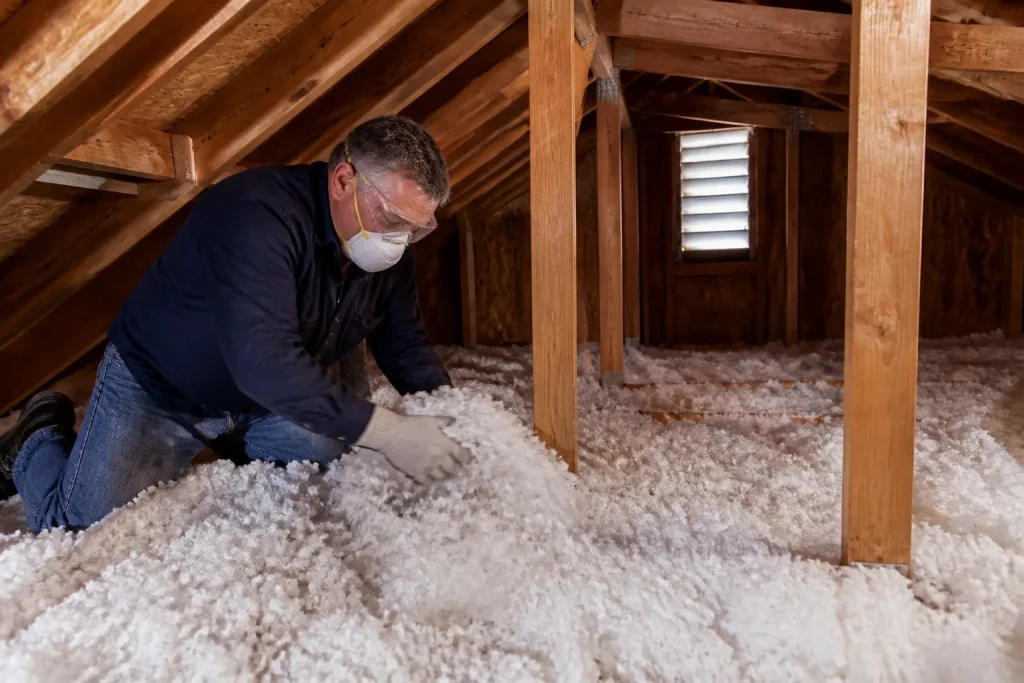
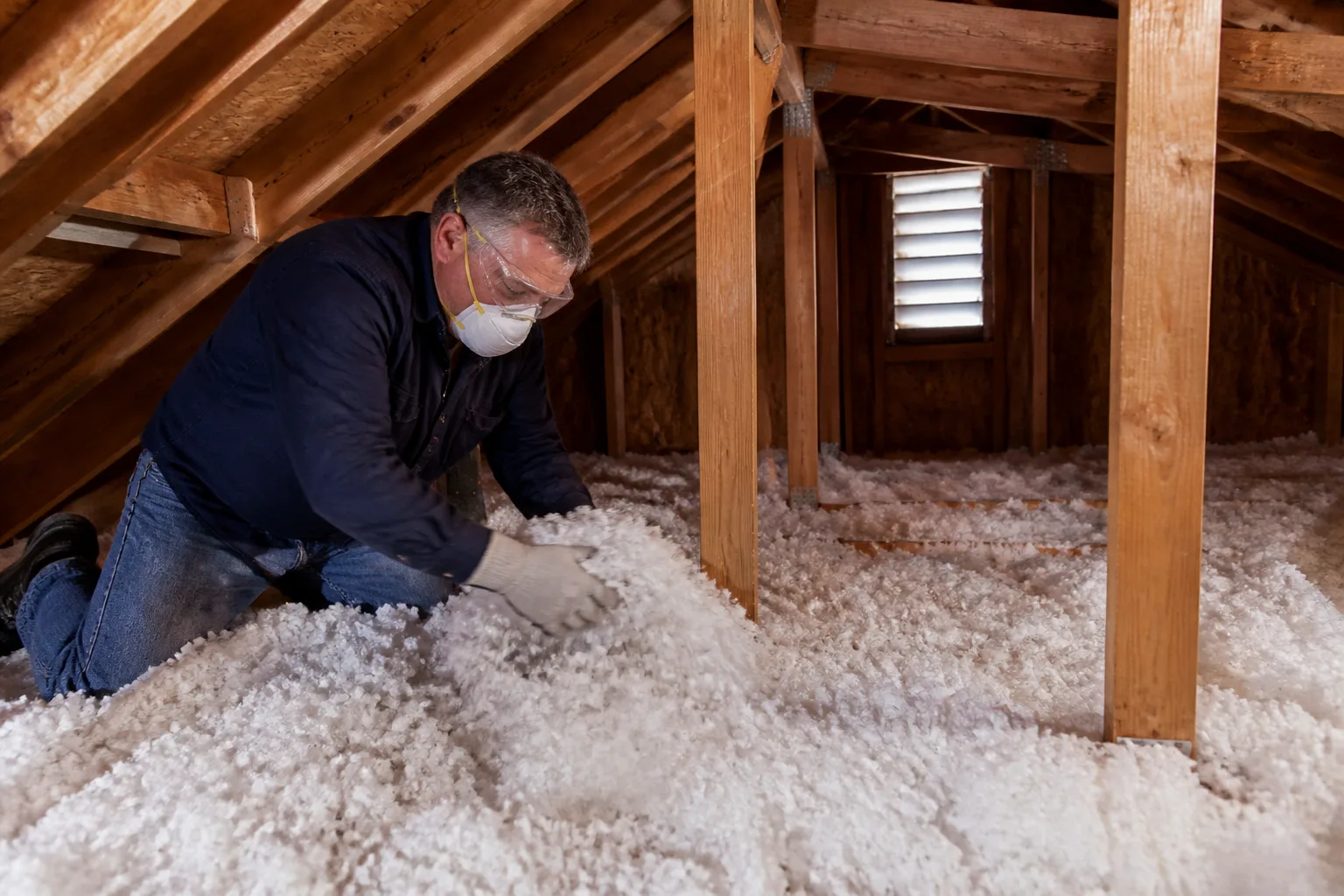
For attics that had pest contamination, once the entry points are sealed, many homeowners switch to blown-in insulation in Midway City using something like GreenFiber cellulose. It’s treated with borates that resist pests and fire, and it fills odd cavities far better than batts. We install it as a dense-pack where possible, which also discourages future rodents from tunneling.
The point: an emergency doesn’t mean you settle for whatever’s on the shelf at the big box store. It means you choose a material that matches the condition that caused the emergency in the first place. That’s the actual fix.
When to Call a Professional Instead of Guessing
You should call a professional insulation contractor as soon as the source of the problem is stopped and you have documentation. Not before. The sequence matters because a good insulation crew will ask you: “What caused the damage, and has it been fixed?” If your answer is “I don’t know,” the honest ones will tell you to figure that out first.
Here’s when to stop DIY assessment and bring in trained eyes:
- You see visible mold, black staining, or a persistent musty smell you can’t locate.
- You see rodent droppings anywhere in the attic, even a small amount.
- Your insulation is wet to the touch more than 24 hours after the water source stopped.
- You see exposed electrical wiring, scorched wood, or your breaker trips when the AC kicks on.
- You can’t access the affected area safely. Short attics, open rafters, and steep access ladders are not worth a fall.
We’ve been inside enough Midway City attics to know that what looks like a simple batt replacement often reveals a stack of compounding issues: a bathroom vent dumping humidity directly into the insulation, a recessed light can that was never IC-rated, a soffit vent blocked by a bird’s nest. The insulation almost always has a story behind it. Our job is to read that story and fix the ending.
For background on the full range of attic work we handle, start with attic insulation in Midway City or head back to the Creekside Insulation Co home page to see how our material-agnostic approach works.
The Bottom Line
Emergency attic insulation in Midway City is almost never just about insulation. It’s about a plumbing, roofing, pest, electrical, or HVAC failure that happened to damage whatever was between your rafters. The right sequence is: stop the source, document everything, contain the area, identify whether the contamination is a health risk or a performance issue, and only then call the insulation crew. Choosing the right material for the specific failure (spray foam for moisture and air sealing, GreenFiber cellulose for pest resistance and recycled content) matters more during an emergency than at any other time, because you’re making a 20-year decision under pressure. If you’re in Midway City and need a trained eye or a free estimate, call Creekside Insulation Co at (844) 948-3251. We’ll help you figure out whether you have an emergency or just a project, and we’ll tell you straight either way.
Frequently Asked Questions
Removal of damaged or contaminated attic insulation in Midway City typically runs $2 to $5 per square foot depending on the material, contamination level, and access difficulty. A 1,000-square-foot attic usually falls between $2,000 and $5,000 for removal and disposal before new insulation is installed. Rodent-contaminated material costs more because of PPE and containment requirements. Call (844) 948-3251 for a specific quote based on what you’re seeing.
Yes, for the first 24 to 48 hours, as long as the source is stopped and you keep the attic access sealed. After 48 hours, mold growth becomes a real concern, and wet insulation against drywall can cause ceiling stains and weakened gypsum. If the water was from a sewage line or roof runoff through an animal nesting area, stay out of the attic entirely and get professional advice before opening the access. Running a dehumidifier below the access helps in the short term.
Most policies cover attic insulation replacement when the damage comes from a covered peril like a sudden pipe burst, fire, or windstorm. Gradual leaks, long-term condensation, and pest damage are frequently excluded. Take photos before any cleanup, measure the damaged area, and keep damaged material bagged for the adjuster. If your cause is sudden and documented, you have a strong claim. If it’s been slowly happening for years, plan on covering it yourself.
Upgrade if the failure exposed a weakness. Wet fiberglass batts that soaked through from a one-time supply line burst can usually be replaced with new batts or blown-in fiberglass. But if the damage revealed a chronic ventilation or air sealing problem, this is the moment to switch to spray foam insulation in Midway City that seals the leaks permanently. If the failure involved rodents, choose borate-treated GreenFiber cellulose for pest resistance. The emergency shouldn’t lock you into the same material that was already underperforming.
Written by the team at Creekside Insulation Co, serving Midway City since 2016.
Need Insulation Help?
Call Creekside Insulation Co — licensed & insured, here with fast after-hours help in Midway City.
(844) 948-3251