Fast, Reliable Attic Insulation Across Hacienda Heights
Attic insulation in Hacienda Heights is a heat-gain problem first, not a cold-defense one. The unincorporated hillside tracts of the Puente Hills step up slopes built from the late 1950s through the 1970s, and those attics bake under the inland sun against dark composition shingle roofs. That means your real need is cutting cooling loads and sealing the bypasses where the house meets the slope. Creekside Insulation Co knows this housing stock, because we’ve been inside enough Hacienda Heights attics to see the same failures repeat: settled batts, unsealed slope junctions, and choked soffit intake. Call (844) 948-3251 for a free estimate, and we’ll tell you what your specific attic actually needs.
Why Creekside Insulation Co Is Hacienda Heights’s Preferred Attic Insulation Company
We don’t show up to Hacienda Heights with one product and a clipboard. We bring eight brands across all four major insulation material categories, which matters here because stepped hillside attics demand different solutions than flat suburban ceilings. A home off Colima Road with a low-pitch east slope needs different treatment than a 1970s tract house above Turnbull Canyon Road with vaulted sections and heavy Santa Ana exposure. That’s why homeowners in the 91745 zip code keep calling us for Attic Insulation work that spans blown-in, batts, spray foam, and radiant barrier.
Noel Ibarra leads every job with the same approach: diagnose the attic’s actual failure mode before recommending a material. On hillside lots, that usually means finding where the original thin insulation has slid downhill or settled to near zero R-value over the rooms that need cooling most. We’re not guessing. We’re measuring, sealing, and then building the right thermal barrier for this specific climate, not a winter one.
Response time to Hacienda Heights is the same day or next day for most estimates, and we schedule around your commute up the 60 or down from the 605. Homeowners here tend to be self-reliant and want it done right in one trip. That matches how we work.
Radiant Barrier in Hacienda Heights
A radiant barrier in Hacienda Heights is one of the highest-return attic upgrades you can make, because it directly attacks the San Gabriel Valley’s inland solar gain. The job involves stapling a reflective foil layer to the underside of the roof rafters so it bounces radiant heat back out instead of letting it soak into the attic floor insulation below. For a typical 1,200 to 1,800 square foot Hacienda Heights tract home, a radiant barrier installation runs $1,400 to $2,600 depending on attic accessibility and roof geometry. On stepped hillside attics where the roof plane changes pitch, the cost lands toward the upper end because installers work in tighter sections and need more fastening points.
When does a Hacienda Heights homeowner need this? When your upstairs rooms run eight to ten degrees warmer than downstairs through July and August, even with the AC running. A radiant barrier doesn’t replace insulation; it reduces the heat load that insulation has to fight. Combined with proper attic floor coverage, it can cut upstairs cooling demand noticeably.
Stepped Roof Geometry and Radiant Heat
Many homes in the hillside tracts above Colima Road and Los Robles Avenue have roof lines that drop with the slope. That creates vertical attic wall sections where radiant heat enters from the side, not just the top. A quality radiant barrier installation here covers those transition faces too, not just the main rafter plane. We see crews from down the hill skip this detail and leave a hot pocket that undoes half the benefit.
Radiant Barrier With Santa Ana Wind Exposure
During Santa Ana events, the wind-driven heat and dust push against the uphill attic vents and the house-to-slope junction. A radiant barrier alone won’t stop that infiltration. The right scope pairs the barrier with air sealing at the top plates and slope transitions. Otherwise you’re reflecting heat while pulling hot canyon air straight into the return. We do both, because half-measures don’t hold on these slopes.
Attic Cleaning Services in Hacienda Heights
Attic cleaning services in Hacienda Heights start with the reality that most attics here haven’t been fully inspected in decades, and the settled insulation itself becomes the obstacle. The work involves removing old, contaminated, or rodent-damaged insulation, vacuuming the attic floor and bays, sanitizing where needed, and prepping the space for new insulation. For a standard Hacienda Heights tract home with 1,200 to 1,500 square feet of attic floor, a full cleanout runs $1,200 to $2,400 before new insulation. When the attic is stepped or has tight low-pitch sections over hillside rooms, the labor rises because technicians work more slowly and can’t use large extraction equipment everywhere.
Homes built in the late 1960s and 1970s often have original fiberglass that’s collected forty-plus years of canyon dust, pest residue, and Santa Ana blow-in. If you’re upgrading insulation, cleaning first gives the new material a clean thermal contact with the drywall. It also gives us a clear look at the air-sealing failures hidden under the old batts.
Rodent and Dust Contamination in Hillside Attics
Hillside homes back up against open canyon and wildland edges around Hacienda Heights. That means raccoons, rats, and squirrels find attic access more often than homeowners in flat valley tracts. Contaminated insulation loses thermal performance and creates air quality problems. Our cleaning process removes the nesting material and damaged insulation, then we identify and seal the entry points before fresh insulation goes in.
Clearing Baffles and Soffit Intake Before New Insulation
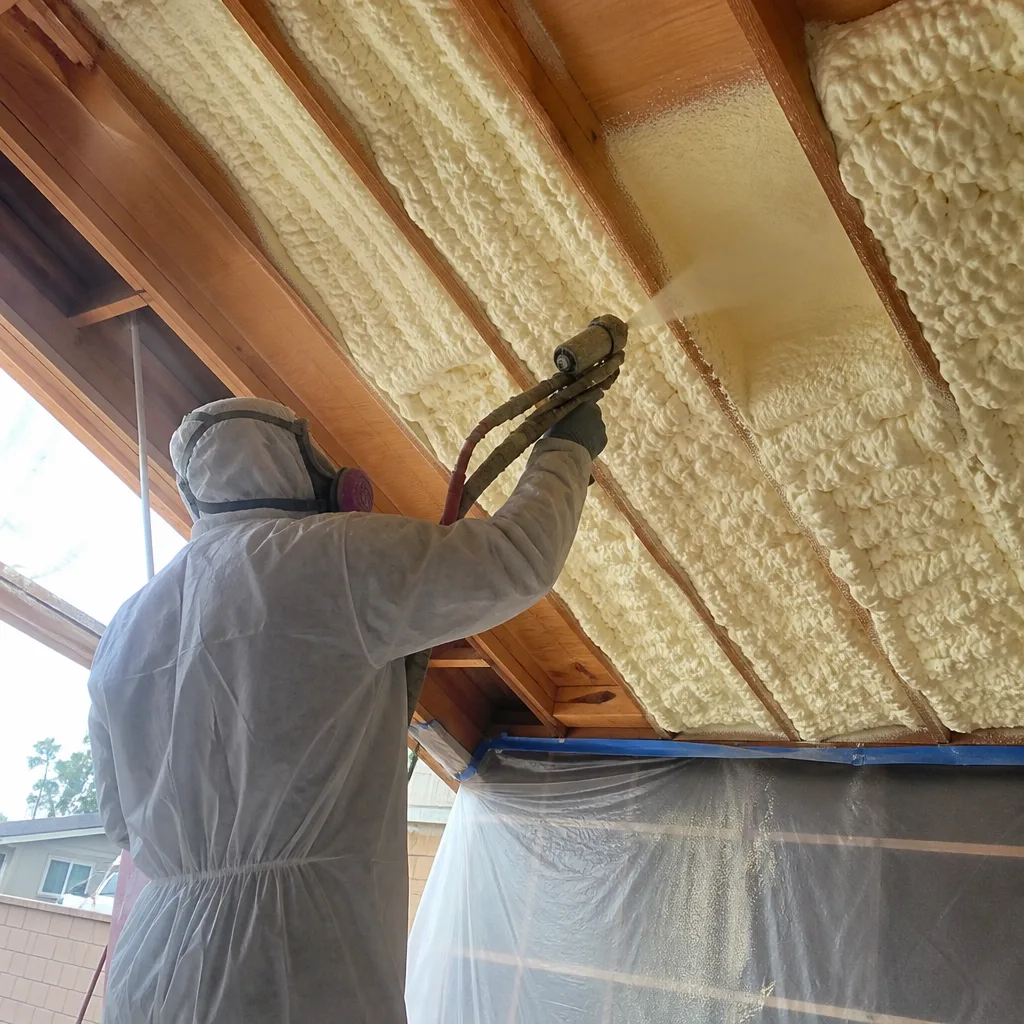
If the soffit intake is already choked by dust or old insulation, adding more insulation on top just makes it worse. Attic cleaning services include checking and clearing the baffle channels so airflow still moves from the eaves to the ridge. On low-pitch clipped attics in Hacienda Heights, this step matters more than the insulation itself. Without intake, the attic becomes an oven even with R-38 on the floor.
What happens when you call
- 1
A real person answersNo phone trees — you reach a local pro.
- 2
You get an upfront price rangeHonest numbers before anyone is dispatched.
- 3
A background-checked tech heads outLicensed & insured, dispatched right away.
- 4
You approve before work beginsNothing starts until you say go.
Trusted Brands We Service in Hacienda Heights
Because we stock and install across eight manufacturers, the recommendation you get in Hacienda Heights is driven by your attic’s actual conditions, not our inventory. For blown-in coverage in hillside stepped attics, we often recommend Owens Corning ProPink fiberglass for its stability and consistent density. For homes near canyon edges or wildland-adjacent lots where fire resistance matters, Rockwool batts earn their place on the spec sheet. And for older tract homes with odd framing transitions, Johns Manville products give us flexible sizing options. Eight brands, one honest recommendation.
Common Attic Insulation Problems We See in Hacienda Heights Homes
- Settled batts on the slope side. Original R-11 or R-13 fiberglass batts in late-1960s homes have often collapsed to R-5 or lower on the downhill sections of stepped attics, leaving bare drywall over the rooms that already catch the most afternoon sun. This is the single most consistent attic failure we document in Hacienda Heights.
- Unsealed bypasses at the house-to-slope junction. Where the home steps down the hill, the framing transition creates a channel that pulls hot Santa Ana air and canyon dust straight into the return air path. Insulation can’t do its job when the attic is under active negative pressure from the AC system.
- Choked soffit intake on low-pitch sections. Many hillside tracts have clipped or low-slope attic sections where the soffit channels are narrow and easily blocked. When new insulation gets blown in without clearing and baffling these intakes, heat and moisture get trapped instead of exhausted, and the upstairs rooms don’t cool any better.
- Rodent-damaged insulation near canyon edges. Homes backing up to open hillside or wildland areas see attic intrusion that valley homes don’t. The damage usually concentrates in the downhill eave areas, which are also where the insulation is thinnest to begin with.
Pricing for Attic Insulation in Hacienda Heights, CA
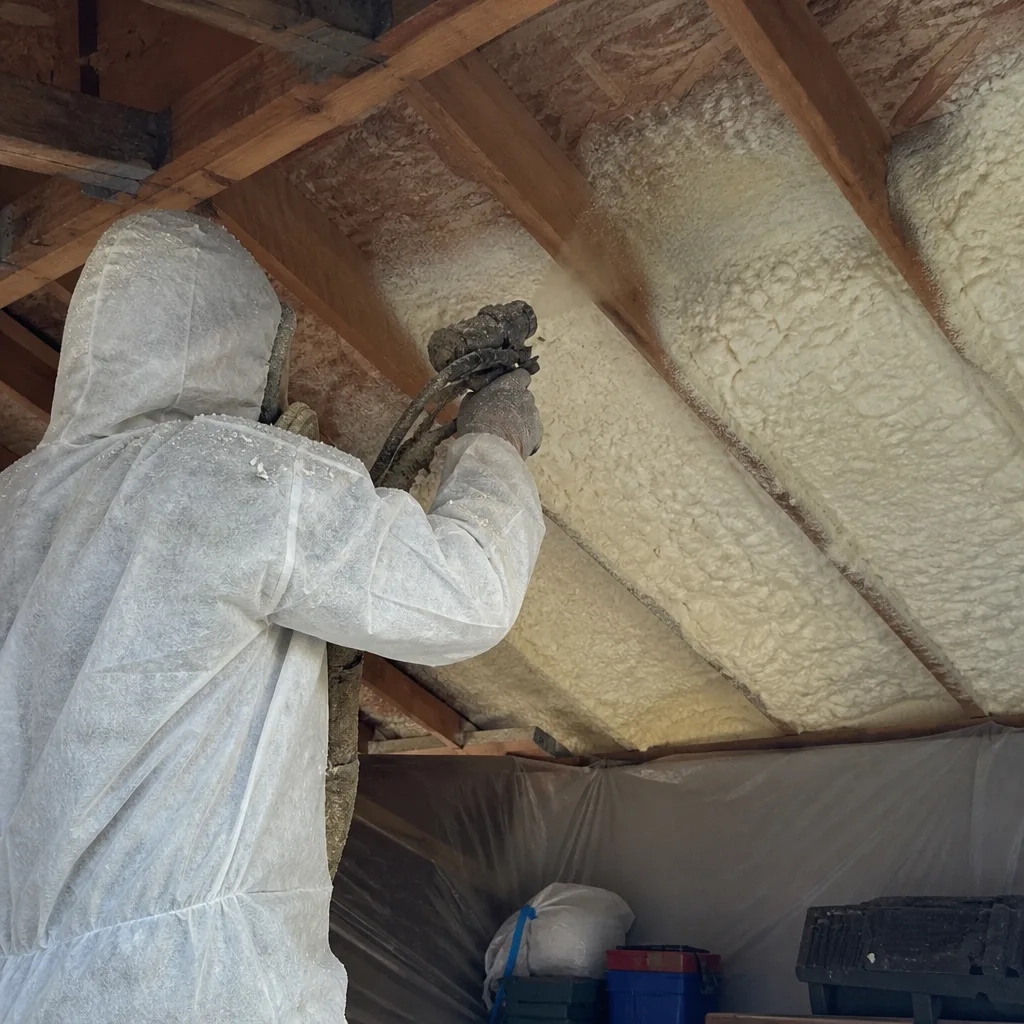
A full attic insulation top-up in Hacienda Heights, adding blown-in fiberglass to bring a 1970s tract home up to R-38, typically runs $1,800 to $3,200 depending on attic square footage and access. A complete remove-and-replace, where we extract old settled material, clean, air-seal, and install new insulation, lands between $3,500 and $6,500 for most homes in the 91745 zip code. Radiant barrier adds $1,400 to $2,600 on top. The main cost drivers here are stepped attic geometry, low-clearance sections that slow the crew down, and the amount of air sealing needed at slope transitions. Call (844) 948-3251 and we’ll give you a line-item estimate based on your actual attic, not a square-footage guess.
We Also Serve Cities Near Hacienda Heights
Creekside Insulation Co runs crews into La Puente, Valinda, Avocado Heights, and West Puente Valley on the same schedule as our Hacienda Heights work. If you’re just over the city line, you’re still in our regular service area. You can also read more about our broader coverage on the Hacienda Heights page.
Serving Hacienda Heights, CA — Our Local Coverage Area
We’re based in the Hacienda Heights area and know this community well. Use the map below to see our service coverage — if you’re nearby, we can almost certainly help.
FAQs About Attic Insulation in Hacienda Heights
Yes, but it requires leveling the lows first and then blowing to a consistent depth across each elevation, not just running a blower hose across the whole floor once. On a stepped attic, the downhill sections need denser fill because the batts that were there have slid and settled. We measure each bay, mark the required depth on the framing, and blow to spec on both elevations. Call (844) 948-3251 for an assessment of your specific slope layout.
For most hillside homes with dark composition shingle roofs, adding R-38 blown insulation helps, but it does not stop radiant heat from soaking into the attic air in the first place. The two work differently. A radiant barrier reflects heat before it reaches the insulation, which reduces the attic temperature and the cooling load on the rooms below. If your upstairs rooms stay hot even after the AC runs for hours, you likely need both. We’ll tell you honestly which one your attic actually needs, not which one we’d rather sell.
Santa Ana winds push hot, dusty air against the uphill vents and into any unsealed gaps at the roof-to-wall junction, and that air gets pulled into the return path when the AC runs. Insulation alone cannot seal those bypasses. The wind exposure means the scope should include air sealing at the top plates and slope transitions, plus verification that the soffit intake is clear. Homes with this exposure need an air-sealing pass before any new insulation goes down, or the new material will underperform.
It starts with removing the old settled or contaminated insulation, then vacuuming the attic floor and bays down to the drywall. We check for rodent damage and nesting material, sanitize the affected areas, seal the entry points, and then clear or replace the soffit baffles so air still moves. On an older Hacienda Heights tract home, the cleaning usually reveals air leaks that have been hiding under the original batts for decades. Once the attic is clean, we install the new insulation to the target R-value.
Yes. We plan for it. Low-clearance stepped attics mean our crew moves slower and uses smaller extraction and blowing equipment in those sections, but we schedule the full scope for one visit because you shouldn’t have to take time off work twice. We carry the equipment needed to work in tight clipped sections without cutting corners on coverage or air sealing. Call (844) 948-3251 and we’ll confirm a schedule that gets the whole job done in one trip.
Written by Noel Ibarra, Owner at Creekside Insulation Co, serving Hacienda Heights since 2009.